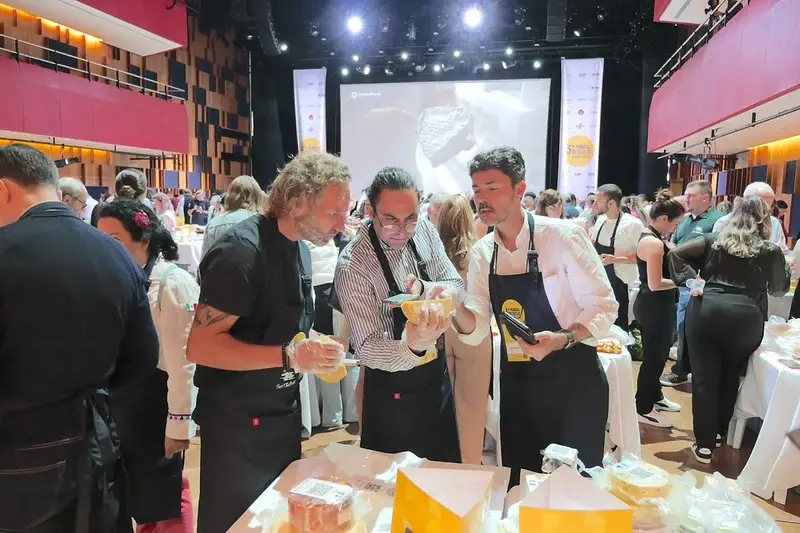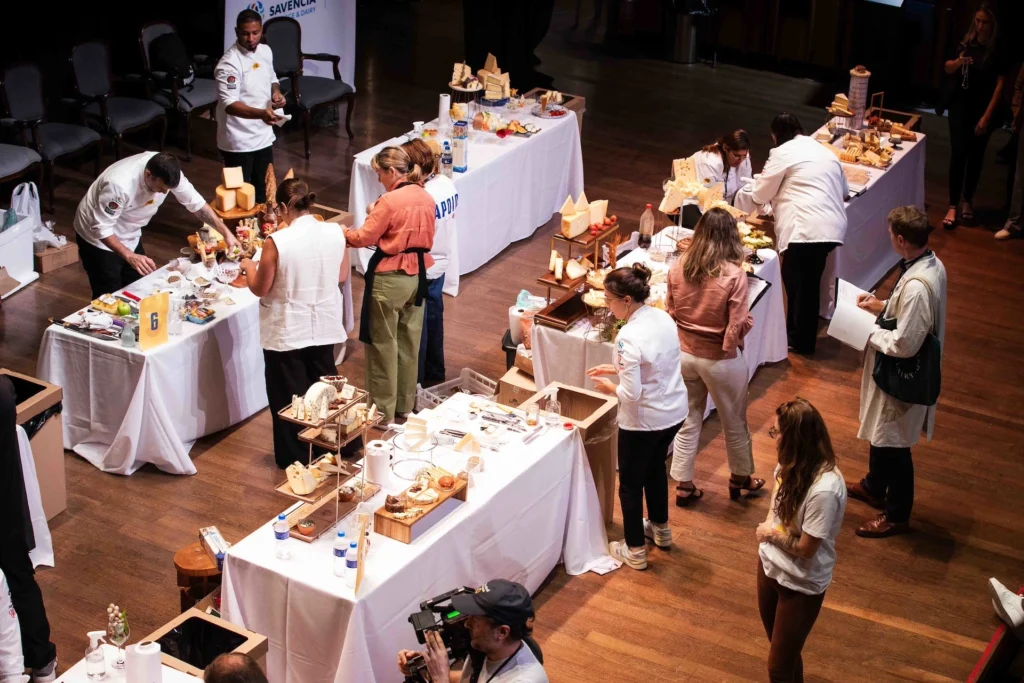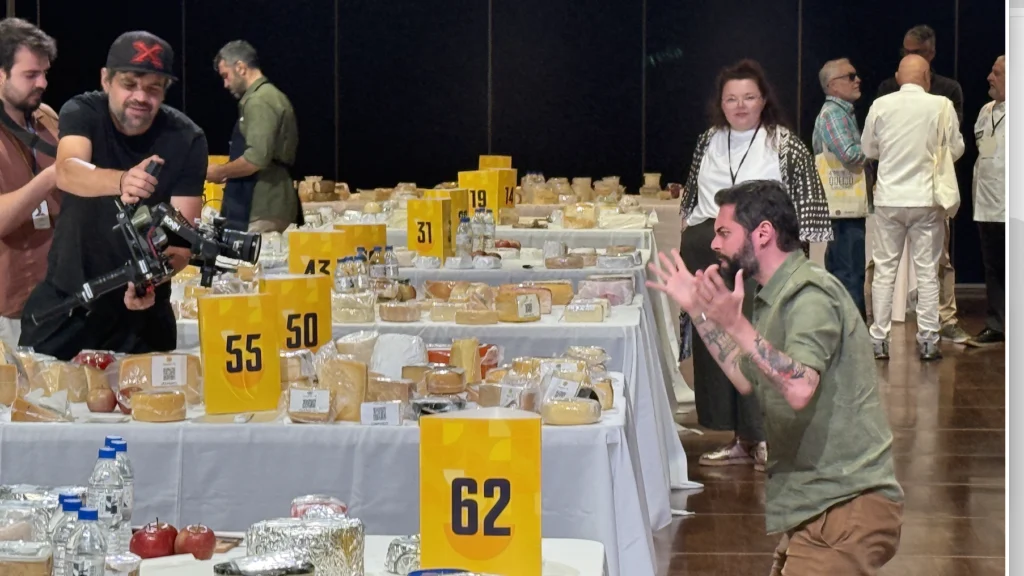
Hundreds of artisanal and industrial producers consolidated national prominence and revealed the strength of countries like Poland, France, and Argentina. With a A cutoff score of 91.10 points is required to guarantee any medal., From Bronze to Super Gold, the competition was tough. There were logistical delays on the part of the organizers in getting the cheeses to the tables, which prolonged the entire event in a domino effect.

For the 2,654 cheeses and dairy products that were properly judged, 574 medals were awarded (4 winners, 88 super gold, 150 gold, 146 silver, and 186 bronze), meaning that 21.7% of the cheeses were awarded, a competition even more intense than the World competition in France, which had around 25% in the last edition. "It was a record number of entries and, to guarantee the legitimacy of the results, we opted to maintain a high cut-off score," said Roland Barthelemy, president of the competition alongside Débora Pereira.

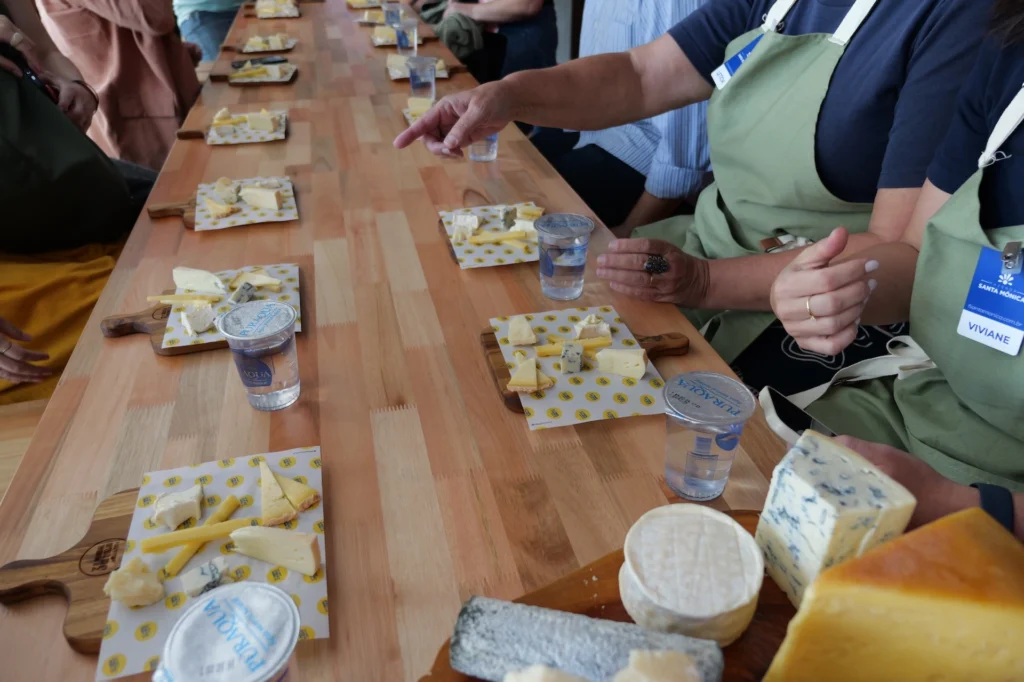
Most of the judges were chefs, cheesemakers, researchers, and food journalists who had received training in sensory analysis through an 8-hour online course taught by professors Débora and Antonio Fernandes, the latter being a leading researcher. Lattes curriculum Brazilian cheese, and two hours of in-person instruction with the help of Emma Young for the English translation.
In previous editions, the jury panel consisted mostly of cheese producers, who are certainly highly qualified for the role. This choice was made to break the bubble of cheese niche players and reach other audiences, expanding expertise. Gastronomy students from Anhembi University also attended the training and worked supporting the judges and evaluating the cheeses.
Overall, the results didn't include many moldy cheeses, highlighting harder cheeses with intense flavors, and even a surprising fresh cheese that made it to the final 16.
Cheeses from 14 countries were entered, with Brazil clearly dominating not only in the number of entries but also in the total number of awards: 502 Brazilian medals compared to 72 international medals.
Cheese by Brazilian state: Minas Gerais reigns supreme.
The geographical distribution of award-winning cheeses shows the strength of Minas Gerais, which leads by a wide margin, followed by São Paulo, Paraná, and Santa Catarina.

Surprisingly, fourth place went to Mato Grosso, a result of public policies from the state government and Sebrae-MT, which are investing heavily in the artisanal cheese segment. They even had one of their cheeses featured among the best, the "Diamante da Cartucheira," produced by Silas and Larissa Barbosa.

Poland overtook France and Italy.

The biggest surprise came from Poland, which displayed impressive technical strength. They took home 24 medals, including 8 Super Gold medals, with highly matured sheep and cow cheeses, such as... Kociowski Chlop e Rubinowy Kozlak.